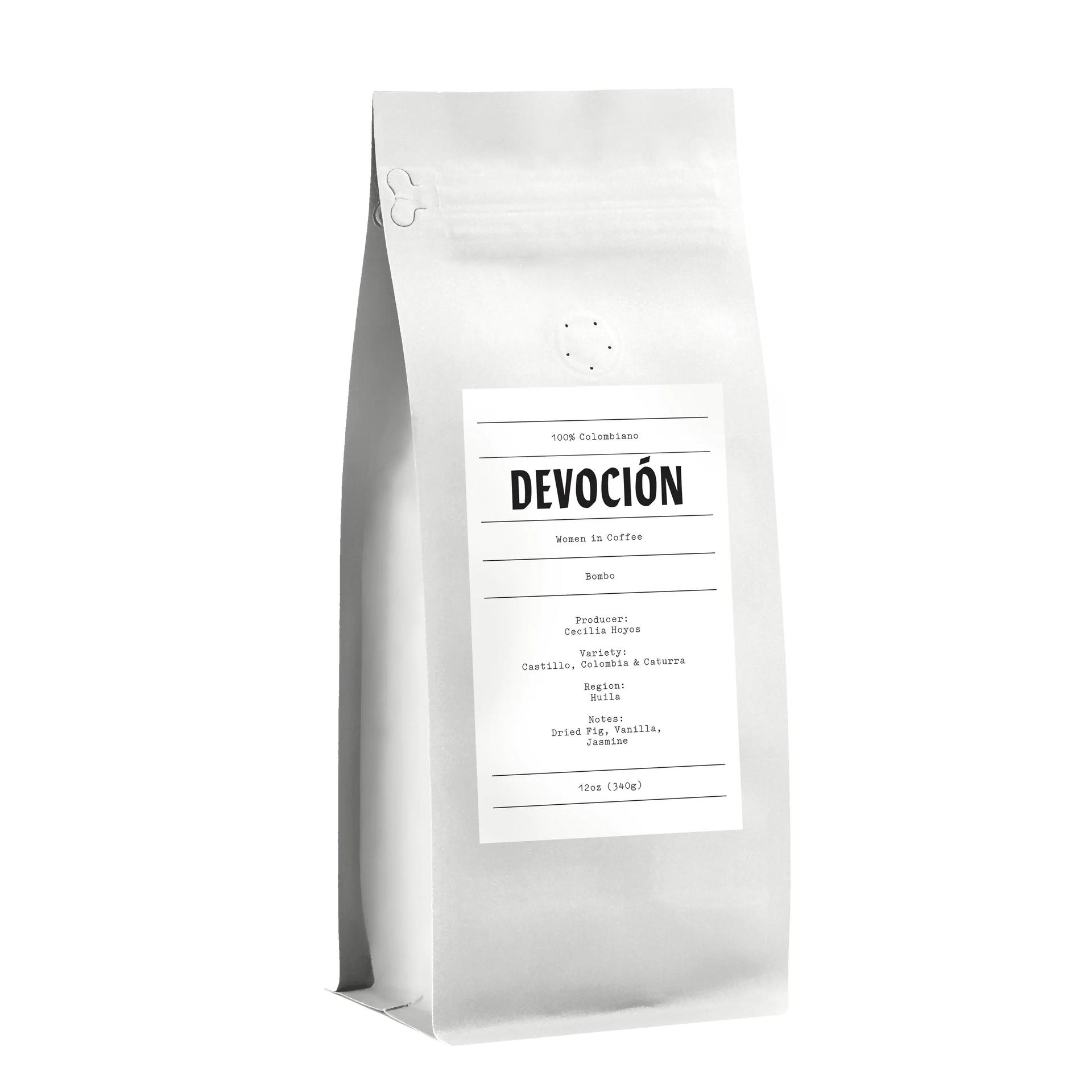
Specialty coffee brands increasingly want sustainability to be visible at the checkout. Devoción’s new Impact Fund makes that connection unusually direct: the company says 1% of every retail coffee bag sold will go to initiatives supporting women coffee farmers, young people and ecological restoration.
The model is easy for customers to understand. Each bag becomes a funding trigger, giving the brand a repeatable message across packaging, e-commerce and cafés. It also reflects a wider shift from broad purpose statements toward mechanisms that can be expressed in a number.
But a percentage alone does not establish impact. The crucial follow-up questions are what the 1% is calculated from, who controls the fund, how projects are selected, whether the spending is additional to existing programmes and how outcomes will be reported. A credible annual update should ideally show money allocated, recipients, timelines, outputs and lessons—including projects that did not perform as expected.
For Coffee Explorer, the launch is an opportunity to build a practical framework for evaluating coffee-linked impact funds. Readers could compare the Devoción model with Fairtrade Premium payments, direct-trade price commitments, one-off donations and environmental levies. Each mechanism has different strengths, incentives and verification challenges.
The same framework can improve shop content. Instead of a generic “supports farmers” badge, product pages can state the contribution mechanism, beneficiary, reporting period and evidence link. That gives shoppers useful information while reducing the risk of repeating an unverified marketing claim.
Devoción’s commitment is promising precisely because it is specific enough to track. The most valuable follow-up will come after the first reporting cycle, when the brand can show how much the 1% generated and what changed as a result.
Sources: Devoción Impact Fund · Devoción sustainability page